Hey there, if you’re reading this, you’re probably here because you’ve stared at a dusty industrial cabinet (think warehouse control panels, utility enclosures, or even those tight steel boxes holding factory IoT gear) and thought, “Wait—could someone just walk by and yank this open?” Let’s cut the fluff: unauthorized access to industrial cabinets isn’t just a minor headache. It’s a safety hazard, a production killer, and can even cost you thousands in downtime or stolen parts. As someone who’s been deep in the industrial cabinet lock game for years (yep, that’s me, part of the team that builds the locks you actually want to use), I’ve got real, on-the-job tips that aren’t just textbook jargon. Industrial Cabinet Lock

First off, let’s stop with the obvious stuff everyone already knows. Sure, a flimsy keyed lock is a band-aid. But if you’re dealing with a 24/7 factory floor, there’s a whole lot more to securing that cabinet than just slapping a lock on the door. Let’s break this down like we’re troubleshooting a real problem, not writing a whitepaper.
First, stop using the same key for every single cabinet in your facility. I can’t tell you how many times we’ve gotten a call from a plant manager panicking because a part-time temp lost one key that opens 17 different control cabinets. Re-keying that whole setup is a nightmare. Instead, go for keyed different locks or—wait for it—keyed alike groups. That way, your team only needs a handful of keys for all the cabinets they actually access, not the entire plant. We started building our locks with this in mind a while back, because we kept hearing clients say, “I don’t need my maintenance guy opening the hazardous material cabinet.” Simple: group your locks so each team has their own key set. No more lost keys turning into a full security reset.
Next, let’s talk about pick-resistant locks. Yeah, you’ve seen the big claims on other brands, but how many actually hold up when some random guy with a lock pick set gets curious? The industrial environments we work in—cold storage, outdoor warehouses, humid chemical plants—are brutal. Cheap pin tumbler locks corrode, get clogged with dust, and pick way too easy. That’s why we focus on locks with solid brass pins and reinforced steel bodies. A lot of our clients test these by yanking on the cabinet door with pliers or trying to jam a screwdriver in, and they barely budge. Don’t waste money on locks that’ll quit on you mid-shift; splurge on something built for actual industrial use, not a office desk.
If keys are a hassle (and let’s be real, handing out 50 keys to 100 employees is a disaster waiting to happen), go electronic. Wait, don’t roll your eyes—old electronic locks were clunky, right? The ones that die in two weeks or need a special laptop to program. Nope, the new stuff is way better. We’ve been working on these keyless locks that use a simple pin code or even fobs, no fancy setup. You can assign unique access codes to each employee, change them in two seconds if someone quits, and even get a little log that says who opened which cabinet and when. That’s huge for compliance, too—if OSHA comes sniffing around, you’ve got proof no one was poking around the control panels they shouldn’t have. The only catch? Make sure you’re mounting these electronic locks in a spot that’s covered from rain or dust, because even the best tech hates a dirty environment. We include weatherproof covers with all our electronic models for exactly that reason.
Now, what if someone’s just trying to force the door open, no fancy tools? That’s where lock strikes and door reinforcement come in. A lot of cabinets come with flimsy strike plates that twist or pull right out of the metal. Our team suggests swapping those for heavy-gauge steel strike bolts—they screw directly into the cabinet frame, not just the thin door. And if it’s an outdoor cabinet, add a secondary lock, like a padlock hasp that’s been welded on (or get one of our stainless steel hasps) so someone can’t just cut through the hinge. I’ve seen a guy try to yank a cabinet door off with a forklift once (don’t ask), and the reinforced strike held. Flimsy stuff would’ve torn right off, and that whole area would’ve been down for 8 hours.
Wait, let’s not forget the low-tech stuff, because sometimes that’s all you need. Visibility isn’t a security measure, but it’s a deterrent. If you mark every industrial cabinet with a big “AUTHORIZED PERSONNEL ONLY” sign, and make those locks look like they actually work, casual tampering drops a ton. A lot of clients forget that random passersby (or even temp workers) are way more likely to leave a cabinet alone if it looks like securing it is worth the effort. We even make locks with a subtle brand stamp that’s just noticeable enough to make someone think, “Hmm, that’s not a cheap lock—probably doesn’t want me messing with this.”
Oh, and one mistake everyone makes: not testing your locks regularly. I know, plant schedules are crazy, who’s got time to check every lock once a month? But trust me, a lock that works today might seize up next week from dust or humidity. Pick a random day each month, grab a few people from maintenance, and go test every cabinet lock. Jiggle them, try the key, punch in the code, make sure the strike is tight. We include a little check list with every lock set our clients get, because small issues turn into big problems fast. Last year, a manufacturing client called us because three of their hazardous material cabinet locks stopped working—turns out, they didn’t dust them, and the pins were clogged with factory lint. A 5-minute cleaning fixed it, but if they’d waited another week, they would’ve had to drill them out, replacing not just the locks but the whole cabinets.
Let’s get real about what not to do. Don’t use a master key for everyone. Don’t buy the cheapest lock off Amazon that says “industrial” (half the time, those are made for office use, not 100°F heat or -20°F cold). Don’t skip testing, and don’t hide keys under the cabinet or on a nearby pole—yes, people still do that. We’ve had clients tell us their old security guy kept a master key on a nail behind a potted plant, and that’s why a former employee got into a control cabinet and messed up a whole production run. So obvious, but so easy to overlook.
Now, if you’re like most plant managers or facility leads, you’re probably thinking, “Okay, that’s good, but what do I actually pick for my setup?” The answer isn’t one-size-fits-all. If you’ve got small supply cabinets, keyed different locks with brass pins work perfect. If you’ve got a big warehouse with 50 control cabinets, go electronic keyless so you can track access. If you’re outdoor, make sure whatever lock you get is rated for rust and water—we test all our locks in salt spray chambers for 1000 hours, so they don’t corrode.
Look, at the end of the day, securing an industrial cabinet isn’t about being a secret agent. It’s about picking locks that fit your specific space, your team, and the brutal environment you work in. Too many people treat these locks as an afterthought, but they’re the first line of defense for your equipment, your workers, and your bottom line.
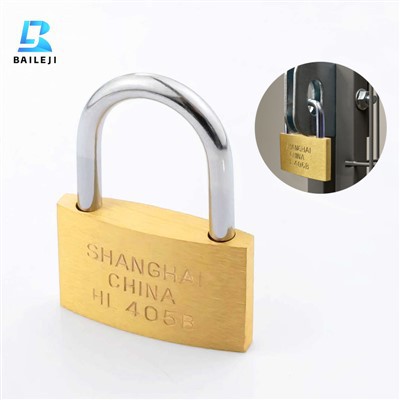
If you’re tired of locks that quit, or keys that get lost, or headaches when someone unauthorized gets into a cabinet, hit us up. We don’t do one-size-fits-all garbage. We’ll talk through your facility, what cabinets you need to secure, and help you pick the locks that’ll actually hold up. No salesy pitch, no confusing jargon—just actual advice from people who build these locks every day, and deal with the same problems you do on the floor.
Cabinet Lock References:
- National Institute of Standards and Technology. (2020). Physical Access Control Systems for Industrial Facilities.
- Occupational Safety and Health Administration. (2021). Lockout/Tagout Standards for Manufacturing Operations.
- Industrial Lock and Hardware Association. (2022). Performance Specifications for Heavy-Duty Cabinet Locks.
Suzhou Baileji Intelligent Lock Industry Co., Ltd.
As one of the most professional industrial cabinet lock enterprises in China, we’re featured by quality products and good price. Please rest assured to buy discount industrial cabinet lock in stock here and get pricelist from our factory. Also, customized service is available.
Address: 3rd Floor, Building 9, Shengteng Industrial Park, No. 8 Ruyuan Road suzhou, jiangsu, China
E-mail: vip@bailejilocks.com
WebSite: https://www.bailejilock.com/
