If you’ve ever worked on a commercial or residential interior project, you’ve likely come across C-stud and U-track wall partitions—they’re the backbone of almost every non-load-bearing interior wall, providing structure, support, and the framework for everything from drywall to electrical wiring. As a supplier of these critical components, I get asked one question more than any other: “Can I paint the C-stud and U-track for my project?” It’s a fair question, too; when you’re aiming for a cohesive, finished look, the last thing you want is a cluster of bare metal studs peeking through fresh paint, or uneven color that clashes with the rest of the space. Today, I’m breaking down the science of painting metal studs, what works, what doesn’t, and how to get a professional, long-lasting finish that doesn’t skip a beat. Wall Partition C Stud and U Track
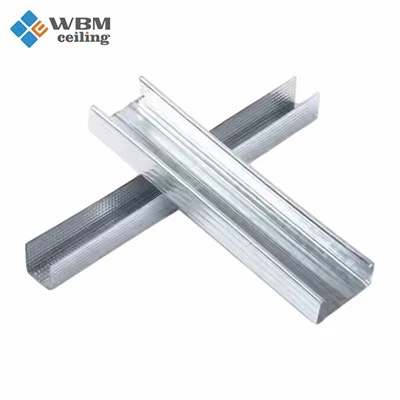
First, let’s get one thing straight: C-studs and U-tracks are made of galvanized steel, and their galvanization is non-negotiable. Galvanization is the process of coating steel with a thin layer of zinc to prevent rust and corrosion, which is why these components hold up so well in drywall assemblies for decades. But that zinc layer is also the reason painting studs seems tricky at first—zinc is hydrophobic, meaning it repels water and many types of paint, leading to adhesion issues, peeling, or chipping not long after the project is done. As someone who’s been supplying these parts for 12 years, I’ve seen more projects derailed by skipping proper surface prep than I can count, so let’s start with the most important rule: you can paint them, but only if you prepare the surface correctly.
The first step in prepping galvanized steel for paint is degreasing. When C-studs and U-tracks are manufactured, they go through a rolling and forming process that leaves behind a thin layer of industrial lubricant, oil, and metal fines—tiny metal shavings that can stick to the surface. If you don’t remove this, paint won’t stick, period. I always recommend using a phosphate-based cleaner or a TSP (trisodium phosphate) substitute mixed with warm water and a stiff bristle brush. Scrub every inch of the studs and tracks, paying extra attention to the corners and edges where lubricant tends to pool. After scrubbing, rinse thoroughly with clean water and let the metal dry completely for at least 24 hours—moisture under paint is a recipe for rust, and that’s a headache no one needs in a finished wall.
Once the surface is dry, the next critical step is etching. Galvanized steel is smooth, and even after degreasing, the zinc layer is too slick for most paint to bond properly. Etching creates tiny micro-textures on the metal surface that give paint something to grip onto. For C-studs and U-tracks, the best etching method is using a phosphoric acid-based etch or a commercial galvanized metal etchant. Apply it according to the manufacturer’s instructions, usually with a spray bottle or a clean rag, let it sit for the recommended 10 to 15 minutes, then rinse again with clean water and dry completely. This step is non-negotiable for long-term adhesion— I’ve had contractors tell me they skipped etching on a small job to save time, only to have paint peel off studs a year later when the client moved in. Trust me, 15 minutes of work here saves a lot of callbacks.
After etching, you have a choice: prime, or use a self-etching primer. Self-etching primers are a great shortcut for smaller jobs because they combine the etching step with the primer in one product. These primers usually contain phosphoric acid that etches the zinc surface as it dries, so you don’t have to use a separate etchant. For larger commercial projects, however, a two-part epoxy primer is still the gold standard. Epoxy primers create an incredibly strong bond with galvanized steel, resist moisture and chemicals, and are ideal for areas that might see high humidity or heavy use, like basements, commercial kitchens, or retail spaces. I always advise customers to match the primer to the environment the wall will be in—for a standard office wall, a high-quality self-etching latex primer works fine, but for a garage or a bathroom, epoxy is worth the extra cost and effort.
Now, what type of paint should you use on top of the primer? Once the primer is fully cured, you can use almost any type of interior or exterior paint, depending on the project. For interior walls, a high-quality latex or acrylic paint is perfect—it’s easy to apply, low-VOC for indoor air quality, and holds up well to scuffs and cleaning. For exterior applications, like exterior soffits or garden walls with metal framing, an exterior latex paint or a 100% acrylic paint will resist UV damage and weathering far better than interior options. The key here is to use a paint that’s compatible with your primer; epoxy primers work best with epoxy or oil-based topcoats, while latex primers pair well with latex or acrylic topcoats.
Wait a second—hold on. Is there ever a time when you shouldn’t paint C-studs and U-tracks? Let’s be real: most of the time, you don’t need to paint them. In standard interior drywall walls, the studs are completely covered by drywall, so no one will ever see them. Painting them is just extra work that doesn’t add any functional or aesthetic benefit. That’s a common misconception I run into with first-time contractors or DIYers—they think they need to paint everything in the building, but metal structural components are designed to be seen only during construction. The only times painting studs makes sense is when they’re exposed, like in a warehouse with open framing, a loft conversion that leaves the studs visible, or an industrial interior where metal is a design feature. If your studs are going to be hidden behind drywall, skip the painting and save the time and money.
I’ve also had people ask if they can skip the etch or primer and just paint the bare studs. My answer is a hard no. Galvanized steel is not like wood or drywall—its smooth, zinc surface doesn’t give paint anything to hold onto. I tested this once early in my career, just to be sure. I took a sample of our standard C-stud, wiped it down with water, and applied a can of flat white interior paint, no primer, no etch. Six months later, that paint was peeling off in large sheets, even on a perfectly dry, indoor wall. That’s when I learned firsthand that painting metal studs isn’t just slapping on paint—it’s about working with the material’s properties, not against them.
Another thing to keep in mind when painting C-studs and U-tracks is finish. For structural metal that’s going to be exposed, a matte or satin finish is usually best—they don’t show minor imperfections as much as gloss, and they’re still durable enough to wipe down if they get dirty. If you’re going for an industrial or modern look, a high-gloss finish can be striking, but it will show every scratch, dent, or smudge, so keep that in mind if you’re working in a high-traffic area. Also, make sure to paint the entire stud, including the webs and flanges, not just the visible parts—moisture can get into crevices if you only paint the surface, leading to rust over time.
Now, let’s talk about some common mistakes I see customers make when painting their wall partitions. First, not letting the metal dry completely. After degreasing and rinsing, it’s tempting to start painting right away, but even a tiny bit of moisture on the steel will cause bubbles under the paint. I always tell people to let the studs and tracks dry overnight, even if they look dry to the touch. Second, using a cheap paint. Dollar-store paint might save you a few bucks, but it won’t adhere to metal as well as a name-brand interior or exterior paint, and it will peel faster. Third, not wearing proper safety gear. When you’re working with etchants, primers, and paint, you should wear gloves, safety goggles, and a mask to avoid breathing in fumes or getting chemicals on your skin. Metal fines from the studs can also be sharp, so work gloves are a must.
As a supplier of C-stud and U-track wall partitions, I want my customers to get the best possible results from their projects. That means giving them accurate, science-backed advice, not just selling them the parts they need. Whether you’re a general contractor working on a 10-story office building, a home renovator converting a basement into a living space, or a DIYer tackling a small partition project, understanding how to properly prep and paint metal studs can make the difference between a professional-looking finished space and a project that needs to be redone a year later.
At the end of the day, the short answer to the question “Can Wall Partition C Stud and U Track be painted?” is yes—if you follow the right steps. Degrease properly, etch to create a rough surface, use a quality primer, and choose the right paint for your application. And remember: if your studs are going to be hidden behind drywall, skip the painting. It’s unnecessary, and you’ll save yourself a lot of time and hassle.
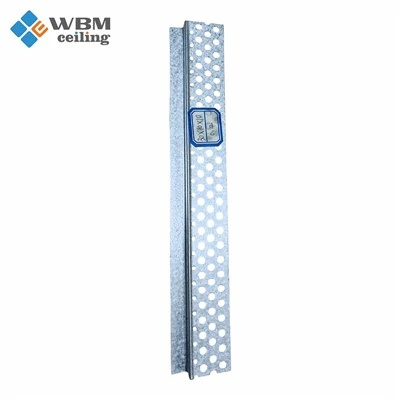
If you’re working on a project and need high-quality C-studs, U-tracks, or guidance on getting the finish right, don’t hesitate to reach out and connect with our team. We’ve supplied wall components to projects of all sizes, from small residential remodels to large commercial builds, and we’re here to help you make your project a success.
Machine References
- American Iron and Steel Institute. (2018). Galvanized Steel: Properties and Applications for Building Construction. Steel Construction Manual, 15th Edition.
- National Paint and Coatings Association. (2020). Surface Preparation Guidelines for Painting Galvanized Metal. Paint Application Best Practices for Architectural Metal Surfaces.
- Gypsum Association. (2021). Interior Partition Wall Design and Installation Standards. GA-216-19.
- Occupational Safety and Health Administration. (2019). Safety Guidelines for Working with Industrial Cleaners, Etchants, and Metal Coatings. OSHA 3718-19.
Langfang Weikaihua Building Material Co., Ltd.
Langfang Weikaihua Building Material Co., Ltd. is one of the most professional wall partition c stud and u track manufacturers and suppliers in China, featured by quality products and low price. Please rest assured to buy discount wall partition c stud and u track from our factory. Contact us for customized service and free sample.
Address: Peng Er Wan Villiage, Zhao Ge Zhuang Town, Wen’an County, Langfang City, Hebei Province, China
E-mail: joyce@wbm.cc
WebSite: https://www.wbmceiling.com/
