If you’ve ever grabbed a soda on a hot day, stirred a spoonful of sugar into your morning tea, or reached for a low-sugar protein bar after a workout, chances are you’ve interacted with one of the sweeteners we supply here. As someone who’s worked in the sweetener manufacturing space for over a decade—walking our production floors, troubleshooting batch runs, and talking to small-batch bakers and large beverage brands alike—I’ve seen first-hand how much misinformation surrounds how these ingredients are made. Many people assume sweeteners are either just “plain sugar” or some synthetic lab chemical, but the reality is far more nuanced: different sweeteners require totally different manufacturing processes, each tailored to deliver the right taste profile, sweetness intensity, and functional properties. Whether you’re a food manufacturer, a formulator, or someone who just wants to know what goes into the products you use, breaking down these processes helps demystify an ingredient that’s central to countless products. Sweeteners
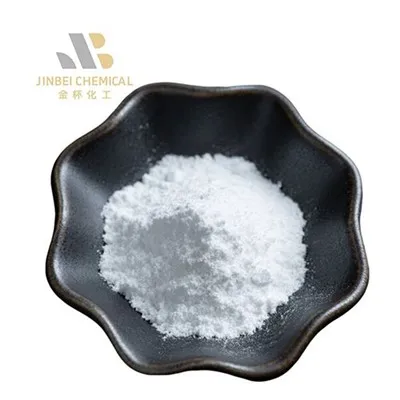
Let’s start with the most common sweetener people know: sucrose, or table sugar, one of the oldest sweeteners produced commercially. Most people don’t realize that manufacturing sucrose is a two-stage process split between cane sugar and beet sugar, since the raw materials come from two very different crops. For cane sugar, the process begins in the fields, where mature sugarcane stalks are harvested (no need to refine this section too deep, but it’s worth noting we source our raw cane from sustainable farms that use responsible harvesting practices). Once delivered to the mill, the stalks are crushed to extract the sugary juice, a step that uses heavy rollers to press out every drop of juice while leaving the fibrous bagasse behind, which many mills repurpose as fuel to power their operations. That raw juice is then clarified with lime to remove impurities—this is where it gets heated, filtered, and treated to remove dirt, plant debris, and unwanted compounds that would make the sugar taste off. Next, the clarified juice is concentrated through evaporation, turning it into a thick syrup. From there, crystallization is key: small seed crystals are added to the syrup, which encourages larger sugar crystals to form as the mixture cools and is stirred. The resulting mixture of crystals and molasses is spun in centrifuges, which separate the dense sugar crystals from the darker, viscous molasses. What’s left is raw sugar, which then goes through a refining process to produce the white table sugar most consumers use: it’s dissolved in water, treated with activated carbon to remove color, filtered, recrystallized again, and dried. For beet sugar, the process is similar at its core, but starts with slicing sugar beets and leaching the sugar from the beet pulp with warm water, a difference that makes beet sugar slightly lower in certain minerals than cane sugar, but functionally identical for most applications. That’s why we offer both cane and beet-based sucrose to our clients, depending on their product requirements and sourcing preferences.
Next, there’s high-fructose corn syrup (HFCS), a sweetener that’s been at the center of diet debates for decades, but is still a staple in many processed foods and beverages today. Unlike sucrose, which is made of two simple sugars (glucose and fructose bound together), HFCS is derived from corn starch, a polysaccharide that’s broken down into individual glucose molecules before being processed into fructose. The manufacturing starts with corn kernels, which are milled and steeped in warm water with a small amount of sulfur dioxide to loosen the starch from the corn’s protein and fiber. Once the starch is separated, it’s processed into corn syrup through acid hydrolysis—mixing the starch with hydrochloric acid and heating it to break the long starch chains into glucose. From there, the key step is enzymatic conversion: special enzymes (glucose isomerase) are added to the glucose syrup, which rearrange some of the glucose molecules into fructose. The ratio of fructose to glucose determines the type of HFCS: HFCS-55, which is 55% fructose, is used primarily in soft drinks to match the sweetness profile of sucrose, while HFCS-42 is common in baked goods and sauces. After conversion, the syrup is purified through filtration and ion exchange to remove any residual enzymes or impurities, then concentrated to the desired sweetness level, and sometimes dried to make a crystalline form of fructose for specific applications. While HFCS has gotten a bad rap, it’s prized by many manufacturers for its high solubility and ability to improve texture in products like sports drinks, and we work with our clients to source non-GMO corn for our HFCS line when that’s a requirement.
Moving beyond caloric sweeteners to low-calorie options, let’s talk about stevia, a natural, plant-based sweetener that’s grown in popularity as consumers seek out reduced-sugar products. Stevia comes from the leaves of the Stevia rebaudiana plant, native to South America, and its sweetness comes from compounds called steviol glycosides, which can be 200 to 300 times sweeter than sucrose with almost no calories. The manufacturing process for stevia is much more targeted than that for caloric sweeteners, because we need to isolate those specific glycosides and remove any bitter-tasting impurities that are present in the raw leaf. First, the dried stevia leaves are milled into a fine powder, then mixed with water or a mild food-grade solvent to extract the glycosides. This crude extract is then filtered to remove plant solids, and treated with activated carbon or resin to separate the desired glycosides from other compounds. For most commercial stevia products, the primary glycosides isolated are rebaudioside A (Reb A) and stevioside—Reb A is preferred because it has a cleaner, more sugar-like taste, while stevioside has a slight licorice aftertaste that many consumers don’t like. The purified extract is then concentrated, dried into a powder, and sometimes blended with other sweeteners (like erythritol or dextrose) to mask any remaining aftertaste and adjust the sweetness intensity to match sucrose. We’ve invested a lot in our stevia processing line over the years, working with our suppliers to use mild extraction methods that preserve the integrity of the glycosides and keep the end product free of artificial additives, which is a top priority for our clients in the natural food space.
Another popular low-calorie sweetener is erythritol, a sugar alcohol (polyol) that’s naturally found in small amounts in fruits and fermented foods, but is manufactured commercially through fermentation for large-scale use. Unlike stevia, erythritol has a sweetness profile very similar to sucrose, with almost no aftertaste, which makes it a go-to for products like sugar-free chocolates, baked goods, and gum. The manufacturing process starts with a simple sugar, usually glucose derived from corn starch or wheat, which is fermented using a specific yeast strain (Moniliella pollinis) that’s highly efficient at converting glucose into erythritol. The fermentation takes place in large, sterile tanks, where the yeast converts the sugar into erythritol over 3 to 7 days, with careful monitoring of temperature and pH to ensure maximum yield. Once fermentation is complete, the mixture is heated to kill the yeast, then filtered to remove yeast cells and other solids. The resulting liquid is purified through ion exchange and activated carbon to remove any residual sugars, proteins, or byproducts of fermentation. Next, the erythritol is concentrated through evaporation, then crystallized to form the fine, granular product used in food manufacturing. One of the key benefits of erythritol is that it’s well-tolerated by most people in normal amounts, and it doesn’t raise blood sugar levels, which is why it’s so popular for diabetic-friendly and low-carb products. We’ve seen a huge increase in demand for erythritol over the past five years, and we’ve adjusted our production capacity to meet that need while maintaining strict purity standards.
For products that require an even higher sweetness intensity (sometimes thousands of times sweeter than sucrose), there are artificial non-nutritive sweeteners like sucralose and acesulfame potassium (Ace-K). These sweeteners are synthetic, but they’re rigorously tested for safety by global food regulatory bodies like the FDA and EFSA, and they’re widely used in everything from diet sodas to tabletop sweeteners. Let’s take sucralose first: its manufacturing process starts with sucrose, which is modified to replace three hydrogen-oxygen groups with chlorine atoms, a change that makes it impossible for the body to metabolize, resulting in almost zero calories. The process is complex and requires precise chemical reactions: sucrose is dissolved in a solvent, then treated with chlorine gas or a chlorinating agent at controlled temperatures and pressures to substitute the three groups. After chlorination, the mixture is neutralized, filtered, and purified through a series of crystallization and washing steps to remove any unreacted chemicals or byproducts. The final product is a white, crystalline powder that’s around 600 times sweeter than sucrose. Acesulfame potassium is another synthetic sweetener, made through reacting acetoacetic acid with potassium hydroxide and other chemicals to form a potassium salt. It’s around 200 times sweeter than sucrose, and is often blended with other sweeteners like aspartame or sucralose to improve taste profile and reduce cost. While some consumers have concerns about artificial sweeteners, they’re a critical option for formulators needing to achieve very high sweetness levels without adding bulk or calories, and we supply them to a wide range of clients who trust their safety and performance.
Over the years, I’ve learned that the key to being a good sweetener supplier is not just understanding these manufacturing processes, but being able to match the right sweetener to the right product. A craft baker might need a sweetener that has bulk and browning properties (like sucrose) for cookies, while a large beverage brand might need a high-intensity, stable sweetener (like sucralose or stevia) that doesn’t break down during pasteurization. A producer of sugar-free protein bars might combine erythritol with stevia to get a taste that’s close to sugar without the calories. If you’re a food formulator, a brand owner, or a procurement manager looking for a reliable sweetener supplier, we have the expertise, capacity, and quality control processes to meet your needs. We work closely with every client, from small startups to multinational corporations, to understand their specific requirements—whether that’s organic certification, non-GMO sourcing, low-calorie formulation support, or consistency across batch runs. We also invest heavily in our manufacturing facilities to ensure that our processes are sustainable, with minimal waste and energy use, because we know that today’s buyers care not just about the end product, but about how it’s made.
I’ve been in this industry long enough to see trends come and go, but one thing stays the same: sweeteners are a core part of how we make food and beverages that people enjoy, and understanding how they’re made helps everyone—from formulator to end consumer—make better choices. If you’re looking to source high-quality, consistent sweeteners for your next project, or have questions about which sweetener will work best for your product, we’re here to help. Reach out to our team to discuss your procurement needs, and we’ll connect you with experts who can answer your questions and provide tailored solutions.
Vitamins References
- Food and Agriculture Organization of the United Nations. (2021). Sugar: Cane and Beet Processing. Rome, Italy: FAO Corporate Document Repository.
- White, J. S. (2016). Hand Book of Sugar Processing and Uses. John Wiley & Sons.
- Zhang, Y., et al. (2020). Manufacturing processes and applications of high-fructose corn syrup: A review. Journal of Food Processing and Preservation, 44(12), e14892.
- Lall, A. M., et al. (2019). Stevia rebaudiana: A comprehensive review on its chemistry, processing, and applications. Critical Reviews in Food Science and Nutrition, 59(15), 2452-2468.
- O’Brien, N. M. (Ed.). (2018). Sugar Alcohols: Properties, Applications, and Health Aspects. AACC International Press.
- Roberts, A. (2019). Artificial sweeteners: Chemistry, safety, and applications. Food and Chemical Toxicology, 132, 110605.
Jinbei Chemical (Shandong) Co., Ltd.
As one of the most experienced sweeteners manufacturers in China, our products have good reputation in the market. We warmly welcome you to buy high quality sweeteners for sale here from our factory. If you have any enquiry about customized service. please feel free to email us.
Address: 2603, Building B3, Lushang Center, Liuqing Street, Lanshan District, Linyi City, Shandong Province
E-mail: sale@jinbeichemical.cn
WebSite: https://www.jinbei-brand.com/
