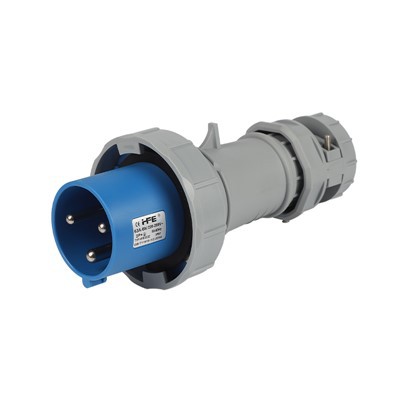
Hey there! As a supplier of Panel Mount Industrial Plugs, I’ve seen my fair share of installation jobs, and let me tell you, safety is no joke. It’s super important to take the right precautions when installing these plugs. Let’s dive into what you need to know. Panle Mount Industrial Plug
Before You Start
First things first, before you even touch that panel mount industrial plug, you gotta do some prep work. One of the most crucial steps is to turn off the power. This might seem obvious, but you’d be surprised how many people skip this step. Working on live electrical circuits is extremely dangerous and can lead to electric shock, which can range from mild to life – threatening. So, locate the main power switch or the circuit breaker that controls the power to the area where you’re installing the plug and switch it off. Make sure to also use a voltage tester to double – check that the power is indeed off. This inexpensive tool can save your life.
Next, gather all the tools you need. You’ll typically need a screwdriver, depending on the type of mounting screws the plug has. Some may require a Phillips – head, while others need a flat – head. You might also need a drill if you have to make holes in the panel for mounting. A wire stripper is essential for preparing the wires. And don’t forget about safety gear. Wear safety glasses to protect your eyes from any flying debris, and insulated gloves to prevent electric shock in case there’s some stray current you didn’t account for.
Handling the Plug
When you get your hands on the panel mount industrial plug, take a good look at it. Inspect it for any signs of damage, like cracks in the housing or bent pins. If you find any damage, don’t use the plug. Damaged plugs can pose a serious fire hazard or cause electrical malfunctions.
Also, make sure you understand the plug’s specifications. Different plugs have different voltage and current ratings. You need to ensure that the plug you’re using matches the requirements of your electrical system. Using a plug with a lower rating than what your system demands can lead to overheating and potentially start a fire. On the other hand, using one with a much higher rating can be a waste of money and might not be the most efficient choice.
Mounting the Plug
Now, when it’s time to mount the plug on the panel, make sure the panel is clean and free of any debris or dirt. This ensures a proper seal and a more secure mount. Mark the holes where you’ll be drilling or screwing in the plug. Use a level to ensure that the plug is straight. An unevenly mounted plug can cause problems later on, like loose connections or difficulty in plugging and unplugging other devices.
When you’re drilling the holes, don’t apply too much pressure. Let the drill do the work, and make sure the drill bit is the right size for the screws or bolts you’re using. If you drill a hole that’s too big, the plug won’t be securely mounted, and it could come loose over time. After drilling, insert the screws or bolts, but don’t tighten them all the way at once. Start by tightening them slightly, then go around and tighten them a bit more, ensuring that the plug is evenly secured to the panel.
Wiring the Plug
Wiring is where things can get a bit tricky. Follow the wiring diagram that comes with the plug. Usually, there are specific color – coded wires that need to be connected to the appropriate terminals on the plug. For example, in many electrical systems, black wires are for hot or live connections, white wires are for neutral, and green or bare copper wires are for grounding.
Before making any connections, strip the insulation off the wires using the wire stripper. Make sure to strip just the right amount – not too much, as exposed wires can short – circuit, and not too little, as the connection might not be secure. When you’re attaching the wires to the terminals, use a screwdriver to tighten the screws firmly. Loose connections can cause overheating, which, as I mentioned earlier, is a major fire hazard.
After wiring all the connections, give them a gentle tug to make sure they’re secure. But be careful not to tug too hard and damage the wires or the terminals.
Testing and Final Checks
Once you’ve installed and wired the plug, it’s time to test it. Before you turn the power back on, do a visual inspection one more time. Check for any loose wires, exposed conductors, or other signs of a problem. Make sure that all the terminals are tightly closed, and there are no metal shavings or other debris inside the plug or around the wiring.
Then, carefully turn the power back on. Use a multimeter to test the voltage at the plug. If the voltage reading is within the expected range, it’s a good sign that everything is working properly. You can also try plugging in a small, non – critical device to see if it powers on. If there are any issues, like sparks or the device not working, turn off the power immediately and re – check your installation.
Additional Tips
It’s a good idea to label the plug and the circuit it’s connected to. This makes it easier to identify the plug in case of maintenance or troubleshooting in the future. You can use a label maker or just write on a piece of tape and stick it near the plug.

Also, if you’re not confident in your electrical skills, it’s always a good idea to consult a professional electrician. They have the expertise and experience to ensure a safe and proper installation.
Interlocked Switched Socket As a supplier of panel mount industrial plugs, I know how important it is to get these installations right. Safety should always be your top priority. If you have any questions about our products or need more advice on installation, feel free to reach out. We’re here to help you with all your panel mount industrial plug needs. Whether you’re working on a small DIY project or a large industrial installation, we’ve got the right plugs for you. And remember, following these safety precautions will not only protect you but also ensure a long – lasting and reliable electrical connection. So, don’t hesitate to contact us if you’re thinking about purchasing panel mount industrial plugs. We’ll be happy to assist you in finding the perfect product for your requirements and guide you through the installation process if needed.
References
- National Electrical Code (NEC)
- OSHA Electrical Safety Standards
Zhejiang Hefeng Electric Co., Ltd.
Zhejiang Hefeng Electric Co., Ltd. is one of the most professional panle mount industrial plug manufacturers and suppliers in China, featured by quality products and low price. Please rest assured to buy durable panle mount industrial plug made in China here from our factory. Also, OEM service is available.
Address: Wenzhou Daqiao Industrail Park, Beibaixiang Town, Yueqing City, Zhejiang Province, China
E-mail: hefengplug@chinahfe.com
WebSite: https://www.hfcee.com/
