Hey there! I’m a supplier of bamboo wall cladding, and one question I get asked a lot is, "Is bamboo wall cladding prone to warping?" It’s a valid concern, especially when you’re thinking about using bamboo for your interior or exterior walls. So, let’s dive right into it and explore this topic in detail. Bamboo Wall Cladding
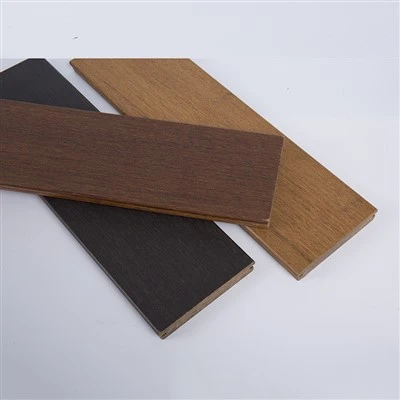
Understanding Bamboo as a Material
First off, let’s talk a bit about bamboo itself. Bamboo is an amazing plant. It’s one of the fastest – growing plants on Earth, which makes it a super sustainable option. It can reach maturity in just a few years, unlike traditional hardwoods that take decades.
Bamboo has a natural structure that’s made up of long fibers. These fibers give bamboo its strength and flexibility. But this same structure can also be a factor when it comes to warping. You see, bamboo, like all natural materials, is hygroscopic. That means it can absorb and release moisture depending on the surrounding environment.
Factors That Can Cause Warping
Moisture Content
The moisture content in bamboo is a huge deal. When the moisture content in the air changes, bamboo will try to reach an equilibrium with it. If the air is very humid, bamboo will absorb moisture. On the other hand, in a dry environment, it will release moisture.
This absorption and release of moisture can cause the bamboo to expand and contract. If this happens unevenly across the bamboo wall cladding, it can lead to warping. For example, if one side of the cladding is exposed to more moisture than the other, that side will expand more, causing the cladding to bend.
Installation
How the bamboo wall cladding is installed also matters a lot. If the cladding isn’t installed properly, it can be more likely to warp. For instance, if the panels are nailed too tightly or if there isn’t enough space for expansion and contraction, the stress on the bamboo can cause it to warp over time.
Also, if the surface where the cladding is being installed isn’t flat or level, it can put uneven pressure on the bamboo, leading to warping. So, it’s really important to have a professional installer or follow the installation instructions carefully.
Quality of the Bamboo
The quality of the bamboo used for the wall cladding plays a big role. If the bamboo isn’t properly treated or dried before it’s made into cladding, it’s more likely to have issues with warping. At our company, we take great care to ensure that our bamboo is kiln – dried to a specific moisture content. This helps to reduce the chances of warping later on.
We also select high – quality bamboo that has a consistent grain pattern. Bamboo with a more uniform grain is less likely to warp because the fibers are more evenly distributed.
How We Minimize Warping in Our Bamboo Wall Cladding
Treatment Process
As I mentioned earlier, we use a kiln – drying process. This process allows us to control the moisture content of the bamboo precisely. The bamboo is placed in a kiln, and the temperature and humidity inside the kiln are carefully regulated. This ensures that the bamboo is dried evenly throughout, reducing the risk of uneven moisture absorption later on.
After kiln – drying, we also treat the bamboo with special preservatives. These preservatives not only protect the bamboo from pests and decay but also help to stabilize the bamboo fibers, making it less likely to warp.
Quality Control
We have a strict quality – control process in place. Every piece of bamboo wall cladding is inspected before it leaves our facility. We look for any signs of defects, such as cracks or uneven drying. If we find any issues, we don’t send that piece out.
We also test our bamboo wall cladding in different environmental conditions. We simulate high – humidity and low – humidity situations to see how the cladding performs. This helps us to make sure that our products are durable and resistant to warping.
Real – Life Examples of Our Bamboo Wall Cladding Performance
I’ve had customers come back to me and tell me how happy they are with our bamboo wall cladding. One customer installed our cladding in a bathroom, which is a high – humidity environment. They were worried about warping, but after a year of use, the cladding still looks great. There’s no sign of warping or any other damage.
Another customer used our bamboo wall cladding for an exterior project. They live in an area with a lot of temperature and humidity variations throughout the year. Even with these challenging conditions, the cladding has held up well. It shows that our treatment and quality – control processes really work.
When Warping Might Still Occur
Even with all our efforts to prevent warping, there are some situations where it might still happen. Extreme and sudden changes in environmental conditions can be a problem. For example, if there’s a flood or a very long period of heavy rain followed by a sudden dry spell, the bamboo might not be able to adjust quickly enough.
Also, if the bamboo wall cladding is exposed to direct sunlight for long periods without any protection, it can cause uneven heating. This can lead to warping, especially if the cladding isn’t properly treated for UV protection.
Tips to Avoid Warping for Our Customers
If you’re thinking about using our bamboo wall cladding, here are some tips to help you avoid warping.
Proper Ventilation
Make sure the area where the cladding is installed has good ventilation. This will help to regulate the moisture content in the air. In a bathroom, for example, use an exhaust fan. In an exterior setting, ensure that there’s enough spacing between the cladding and the wall for air to circulate.
Protect from Direct Sunlight
If possible, install the bamboo wall cladding in a shaded area. If you can’t avoid direct sunlight, use a UV – resistant finish on the cladding. This will help to protect the bamboo from the effects of sunlight.
Regular Maintenance
Regularly check the bamboo wall cladding for any signs of damage or changes. If you notice any areas that seem to be warping or showing signs of moisture damage, address the issue right away. You can also clean the cladding periodically to keep it in good condition.
Conclusion
So, is bamboo wall cladding prone to warping? Well, it can be if certain conditions aren’t met, but with high – quality materials, proper treatment, and correct installation, the risk of warping can be significantly reduced.
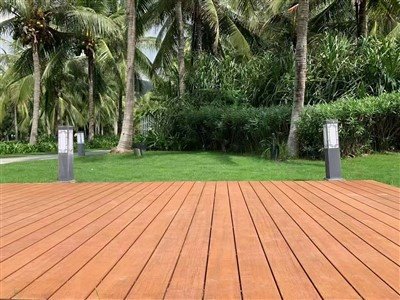
At our company, we’re committed to providing you with the best quality bamboo wall cladding. We’ve put a lot of effort into developing a product that’s not only beautiful but also durable and resistant to warping.
Bamboo Wall Cladding If you’re interested in our bamboo wall cladding or have any questions, don’t hesitate to reach out. We’re here to help you make the right choice for your project. Let’s chat about how we can bring the natural beauty of bamboo to your walls without the worry of warping.
References
- "Bamboo: The Renewable Resource" by Smith, J.
- "Wood and Wood – Based Composites: Materials Science and Engineering" by Rowell, R.M.
- Journal articles on bamboo properties and treatment processes from the International Bamboo and Rattan Organization (INBAR).
Ningguo Kungtai Bamboo and Wood Co., Ltd.
As one of the most professional bamboo wall cladding manufacturers and suppliers in China, we warmly welcome you to wholesale bulk customized bamboo wall cladding from our factory. If you have any enquiry about quotation, please feel free to email us.
Address: East of Huanggang Road, Ningdun Town, Ningguo City, Anhui Province
E-mail: office@hh-bamboo.com
WebSite: https://www.kungtaibamboo.com/
