What is the Cost of an Integrated Transformer?
In the dynamic realm of power electronics, integrated transformers have emerged as a pivotal component, significantly impacting countless applications. As a seasoned supplier of integrated transformers, I’ve witnessed firsthand their increasing demand across diverse industries. In this blog, I’ll delve into the various factors that influence the cost of integrated transformers and provide insights to help you make informed purchasing decisions. Integrated Transformer
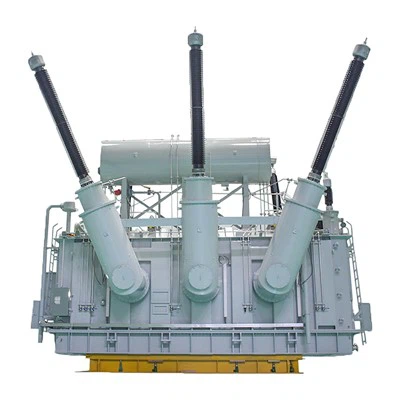
Understanding Integrated Transformers
Before delving into costs, it’s essential to understand what integrated transformers are. An integrated transformer is a compact, high – performance component that combines the functions of a traditional transformer with other elements such as inductors, capacitors, or even control circuits on a single substrate. This integration offers numerous advantages, including reduced size, improved efficiency, and enhanced reliability. These transformers are commonly used in power supplies, renewable energy systems, and high – frequency communication devices.
Factors Influencing the Cost
- Materials Used
The choice of materials is a primary determinant of the cost of an integrated transformer. Core materials, for example, play a crucial role. Ferrite cores are widely used due to their high magnetic permeability and low core loss, especially in high – frequency applications. However, the cost of ferrite can vary depending on its grade and quality. High – performance ferrite materials with low losses at high frequencies are generally more expensive.
The conductor materials also impact the cost. Copper is the most commonly used conductor due to its excellent electrical conductivity. But the price of copper fluctuates in the global market, and any increase in copper prices will directly translate into higher costs for the integrated transformers. Higher – purity copper or copper alloys with specific properties can also add to the expense.
- Manufacturing Complexity
The manufacturing process of integrated transformers can be quite intricate. Precision is required at every step, from patterning the coils on the substrate to assembling the core and connecting the components. Advanced manufacturing techniques such as thin – film deposition and microfabrication are often employed to achieve the high levels of integration and performance required.
These techniques demand specialized equipment and highly skilled labor, which drive up the production cost. For example, the use of photolithography in thin – film transformer manufacturing requires sophisticated machinery and clean – room environments, adding significant overhead to the manufacturing process. Additionally, complex geometries and high – density layouts increase the manufacturing complexity and thus the cost.
- Performance Requirements
The performance parameters of an integrated transformer, such as power rating, efficiency, and frequency response, have a direct impact on its cost. Higher power – rated transformers typically require more materials, larger cores, and thicker conductors, all of which increase the cost. For instance, a transformer designed to handle 1000 watts will generally be more expensive than one rated for 100 watts.
In terms of efficiency, transformers with higher efficiency ratings require better – quality materials and more precise manufacturing processes. This is because minimizing power losses requires careful selection of core materials with low hysteresis and eddy – current losses, as well as optimized coil designs. Similarly, transformers with a wide frequency response range for high – frequency applications often need specialized materials and advanced manufacturing techniques, driving up the cost.
- Customization
Custom – designed integrated transformers are often more expensive than standard off – the – shelf models. When a customer requests a transformer with unique specifications, such as a specific shape, size, or performance characteristic, the manufacturer has to invest additional time and resources in the design and development process. This includes conducting detailed simulations, creating custom tooling, and performing rigorous testing to ensure that the transformer meets the requirements.
The need for custom – made components and the potential for lower production volumes also contribute to the higher cost. For example, a customer may require a transformer with a non – standard mounting configuration or a specific impedance matching characteristic, which can add significant complexity and cost to the manufacturing process.
- Volume of Production
Economies of scale play a significant role in determining the cost of integrated transformers. In general, larger production volumes lead to lower per – unit costs. When producing a large number of transformers, the fixed costs associated with manufacturing, such as equipment setup and tooling, can be spread over a greater number of units, resulting in a lower cost per unit.
Conversely, small – scale production runs are more expensive on a per – unit basis. The setup costs are the same or similar regardless of the production volume, and the cost of labor and materials per unit is higher when fewer units are produced. This is an important consideration for customers with small – volume requirements, as they may face higher costs per transformer.
Cost – Benefit Analysis
Despite the potentially high cost of integrated transformers, it’s important to conduct a cost – benefit analysis. The advantages they offer can often outweigh the upfront costs. For example, the reduced size and weight of integrated transformers can lead to significant savings in space and shipping costs, especially in applications where space is at a premium, such as aerospace or portable electronics.
The improved efficiency of integrated transformers also results in lower energy consumption over the product’s lifespan, leading to cost savings on electricity bills. Additionally, their enhanced reliability can reduce maintenance and replacement costs, as well as the risk of system downtime.
Conclusion and Call to Action

The cost of an integrated transformer is influenced by a variety of factors, including materials, manufacturing complexity, performance requirements, customization, and production volume. As a supplier, I understand the importance of providing high – quality transformers at a competitive price. We work closely with our customers to understand their specific needs and offer cost – effective solutions.
Oil Immersed Transformer If you’re in the market for integrated transformers, whether for a large – scale production project or a custom – designed application, I encourage you to reach out to us. Our team of experts is ready to assist you in selecting the right transformer for your requirements and providing detailed cost estimates. By engaging in a discussion with us, you can gain a better understanding of the cost – benefit trade – offs and make an informed decision that meets your budget and performance goals.
References
- "Power Electronics: Converters, Applications, and Design" by Ned Mohan, Tore M. Undeland, and William P. Robbins.
- "Transformer Design Principles: With Applications to Core – Form Power Transformers" by John G. Kirtley Jr.
Nantong Yawei New Energy Technology Co., Ltd.
As one of the most professional integrated transformer manufacturers and suppliers in China, we’re featured by quality products and good service. Please rest assured to wholesale durable integrated transformer made in China here from our factory. Customized orders are welcome.
Address: Room 28-101, Building 27 and 28, No.333 Kaiyuan Avenue, Sunzhuang Subdistrict, Hai’an City, Nantong City, Jiangsu Province, China
E-mail: admin@nantongyawei.com
WebSite: https://www.nantongyawei.com/
