Hey there! I’m a supplier of feeding machines, and I’ve seen firsthand how these nifty gadgets play a huge role in keeping food clean and safe. So, let’s dive into how a feeding machine actually ensures food hygiene. Feeding Machine
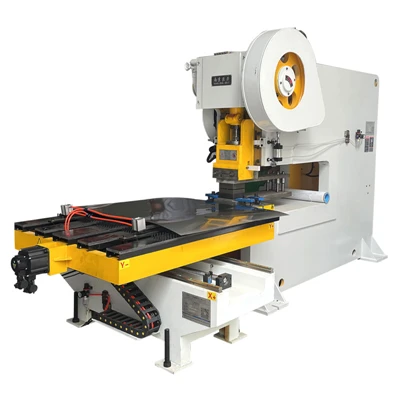
First off, let’s talk about materials. The materials used to make a feeding machine are super important for food hygiene. Most of the parts that come into contact with food are made from food-grade materials. For example, food-grade stainless steel is a common choice. It’s not only strong and durable but also resistant to corrosion. Corrosion can cause small bits of metal to flake off into the food, which is obviously a big no – no. Plus, stainless steel is easy to clean. You can just wipe it down or use some mild detergents to get rid of any food residues.
Another popular material is food – grade plastic. It’s lightweight, which makes the feeding machine easier to move around if needed. And just like stainless steel, it can be thoroughly cleaned. Many food – grade plastics are designed to be non – porous, so bacteria and other nasties can’t get trapped inside. This means that even if you’re using the feeding machine multiple times a day, you can be confident that the food won’t be contaminated by leftover gunk from previous use.
The design of the feeding machine also plays a crucial role in maintaining food hygiene. A well – designed feeding machine has smooth surfaces. Sharp corners and rough edges can be breeding grounds for bacteria. They’re hard to clean, and food particles can get stuck there. On the other hand, smooth surfaces allow for easy cleaning. You can use a brush or a sponge to reach every nook and cranny without any hassle.
Many feeding machines also have a closed – loop system. This means that the food is kept inside a sealed environment from the time it enters the machine until it’s dispensed. This reduces the risk of contamination from outside sources like dust, dirt, or insects. In a factory setting, there could be all sorts of particles floating around in the air. By having a closed – loop system, the feeding machine acts as a barrier, protecting the food from these external contaminants.
Now, let’s touch on the cleaning process. A good feeding machine should be easy to disassemble. If you can take it apart into smaller pieces, it becomes a lot easier to clean each part thoroughly. You can soak the parts in a cleaning solution or run them through a dishwasher if they’re dishwasher – safe. And when it comes to cleaning agents, it’s important to use ones that are approved for use in food – handling equipment. These cleaning agents are formulated to be effective at killing bacteria and removing dirt without leaving behind any harmful residues.
Regular maintenance is also key to ensuring food hygiene. This includes checking the machine for any signs of wear and tear. For example, if a seal is broken, it could allow air or contaminants to enter the food storage area. By replacing damaged parts promptly, you can prevent potential hygiene issues. And don’t forget about lubrication. Some feeding machine components need to be lubricated to function properly. But you have to use food – grade lubricants. Non – food – grade lubricants can contaminate the food and pose a health risk.
Automation is another factor that helps with food hygiene. In an automated feeding machine, the food is dispensed in a controlled manner. There’s less human contact, which means there’s less chance of introducing bacteria from hands. Human hands can carry all sorts of germs, and even if you wash them regularly, there’s still a risk. With an automated feeding machine, the food goes from the storage area to the dispensing point without being touched by people.
Moreover, many modern feeding machines come with sensors and monitoring systems. These can detect things like the temperature and humidity inside the machine. If the temperature gets too high, it could create an environment where bacteria can grow rapidly. The sensors can trigger an alarm or adjust the settings to keep the conditions within a safe range. The humidity level is also important because too much moisture can lead to mold growth. By constantly monitoring these factors, the feeding machine can maintain a hygienic environment for the food.
Some feeding machines also have a self – cleaning function. This is a real time – saver and a great way to ensure consistent hygiene. The self – cleaning process usually involves a combination of water, cleaning solutions, and mechanical action. For example, some machines can spray a high – pressure stream of water to flush out any remaining food particles. After the self – cleaning cycle, there’s usually a rinse cycle to remove any traces of the cleaning solution.
Let’s not forget about the role of training. If you’re using a feeding machine, whether it’s in a small bakery or a large food manufacturing plant, it’s crucial that the operators are properly trained. They need to know how to clean and maintain the machine correctly. They should also be aware of the importance of food hygiene and the potential risks of not following the proper procedures. A well – trained operator can make a big difference in ensuring that the feeding machine works in a hygienic way.
In the food industry, regulations and standards are in place to ensure food safety. As a feeding machine supplier, we make sure that our products meet these standards. We follow strict manufacturing processes to ensure that every feeding machine we produce is safe for food handling. This means that when you buy a feeding machine from us, you can be confident that it has been built with food hygiene in mind.
So, if you’re in the market for a feeding machine and you’re concerned about food hygiene, you’ve come to the right place. Our feeding machines are designed with all these features in mind to give you the peace of mind that the food you’re handling is safe. Whether you’re running a small – scale business or a large industrial operation, we have the right feeding machine for you.
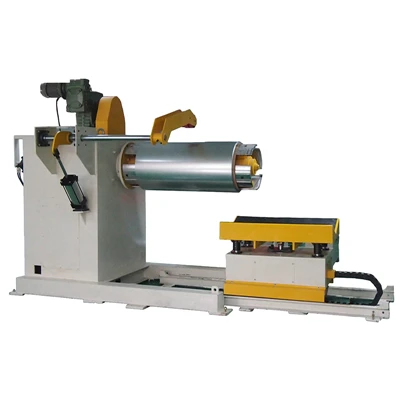
If you’re interested in learning more or want to discuss your specific requirements, don’t hesitate to get in touch. We’re here to help you choose the best feeding machine for your needs and ensure that you have a smooth and hygienic food – handling process.
Crf Machine References:
- "Food Safety and Hygiene in the Food Industry", a textbook on food industry best practices.
- Research papers on food – grade materials and their properties.
- Industry guidelines on the design and maintenance of food – handling equipment.
Wuxi Yuanding Machinery Manufacturing Co., Ltd.
We’re well-known as one of the leading feeding machine manufacturers and suppliers in China, also support customized service. Please feel free to buy advanced feeding machine made in China here from our factory. For pricelist, contact us now.
Address: Yaguang Industrial Park, No. 88 Chaoyang South Road, Xishan District, Wuxi City, Jiangsu Province
E-mail: 13861798466@163.com
WebSite: https://www.wxyuanding.com/
