Hey there! As a supplier of evaporators, I often get asked about the requirements for using an evaporator in wastewater treatment. So, I thought I’d share some insights based on my experience in the industry. Evaporator
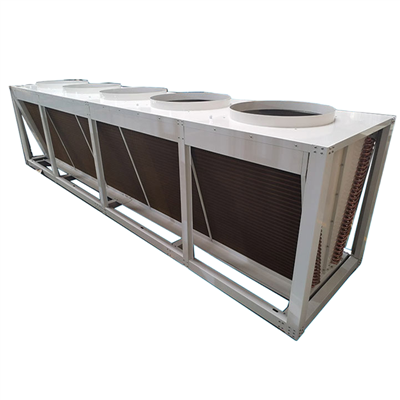
First off, let’s understand what an evaporator does in wastewater treatment. An evaporator is a device that uses heat to turn the liquid part of the wastewater into vapor, leaving behind the solids. This can be a great way to reduce the volume of wastewater and make it easier to manage or dispose of.
Water Quality and Composition
The first thing you need to consider is the quality and composition of the wastewater. Different types of wastewater have different characteristics, and these can affect how well the evaporator works.
For instance, if the wastewater has a high concentration of solids, it can cause scaling and fouling inside the evaporator. Scaling occurs when minerals in the water precipitate out and form a hard layer on the heat transfer surfaces. This can reduce the efficiency of the evaporator and even damage it over time. To avoid this, you might need to pre – treat the wastewater to remove some of the solids before it enters the evaporator.
Another important factor is the presence of corrosive substances. Some wastewaters contain acids, alkalis, or other chemicals that can corrode the evaporator’s materials. So, you need to choose an evaporator made of corrosion – resistant materials. For example, if the wastewater is acidic, stainless steel or titanium might be good choices.
Flow Rate
The flow rate of the wastewater is also crucial. You need to know how much wastewater you’ll be treating per unit of time. If the flow rate is too high, the evaporator might not be able to handle it effectively, and the treatment process could be incomplete. On the other hand, if the flow rate is too low, the evaporator might operate inefficiently, wasting energy.
When selecting an evaporator, make sure to choose one that can handle the expected flow rate of your wastewater. You can work with an engineer or a technical expert to calculate the right size of the evaporator based on your specific flow rate requirements.
Temperature and Pressure
Temperature and pressure play a big role in the evaporation process. Most evaporators rely on heat to vaporize the water in the wastewater. You need to know the source of heat available to you and the temperature at which the evaporation will occur.
Higher temperatures generally lead to faster evaporation, but they also require more energy. So, you need to find a balance between the evaporation rate and energy consumption. Some evaporators can operate at lower temperatures under reduced pressure, which is known as vacuum evaporation. This can be a more energy – efficient option in some cases.
In addition, the pressure inside the evaporator needs to be carefully controlled. If the pressure is too high or too low, it can affect the evaporation process and the performance of the evaporator. You should have a pressure control system in place to ensure stable operation.
Energy Sources
Speaking of energy, you need to consider the energy sources available for the evaporator. Common energy sources include steam, electricity, and natural gas.
Steam is a popular choice because it can provide a large amount of heat at a relatively low cost in some industrial settings. However, you need to have a reliable steam supply system. Electricity can be used for smaller evaporators or in situations where steam is not available. It offers more precise control over the heating process but can be more expensive. Natural gas is another option, which is often cost – effective and widely available.
When choosing an energy source, think about the cost, availability, and environmental impact. You might also want to consider energy – saving features in the evaporator, such as heat recovery systems, to reduce your overall energy consumption.
Space and Installation Requirements
You need to have enough space to install the evaporator. Evaporators come in different sizes and configurations, and you need to make sure you have a suitable location for it. Consider factors such as the height, width, and length of the evaporator, as well as the space needed for maintenance and access.
The installation process also requires some expertise. You need to ensure that the evaporator is properly connected to the wastewater supply, energy source, and any other necessary equipment. A professional installer can help you with this to ensure that the evaporator operates safely and efficiently.
Maintenance and Monitoring
Like any piece of equipment, evaporators require regular maintenance and monitoring. You need to have a plan in place for cleaning, inspecting, and replacing components as needed.
Regular cleaning can prevent scaling and fouling, which can improve the performance and lifespan of the evaporator. You should also monitor the operating parameters of the evaporator, such as temperature, pressure, and flow rate, to ensure that it is running properly. Any abnormal readings could indicate a problem that needs to be addressed.
Regulatory Requirements
Don’t forget about the regulatory requirements. Different regions have different rules and regulations regarding wastewater treatment. You need to make sure that the evaporator you use complies with all the relevant environmental and safety standards.
This might involve obtaining permits, conducting regular emissions testing, and keeping records of the wastewater treatment process. Working with a knowledgeable supplier can help you navigate these regulatory requirements and ensure that you are using the evaporator in a legal and responsible manner.
In conclusion, using an evaporator in wastewater treatment requires careful consideration of several factors, including water quality, flow rate, temperature, pressure, energy sources, space, maintenance, and regulations. As a supplier, I’m here to help you choose the right evaporator for your specific needs and provide support throughout the process.
Evaporator If you’re interested in purchasing an evaporator for your wastewater treatment needs, I’d love to have a chat with you. We can discuss your requirements in detail and figure out the best solution for you. Whether you’re dealing with small – scale or large – scale wastewater treatment, we have options that can work for you. So, don’t hesitate to reach out and let’s start the conversation!
References
- Smith, J. Wastewater Treatment Handbook. New York: ABC Publishing, 2018.
- Johnson, A. Energy – Efficient Evaporators in Industrial Processes. London: XYZ Press, 2020.
- Williams, B. Environmental Regulations for Wastewater Treatment. Sydney: DEF Publications, 2019.
Xiangshui Derkang Refrigeration Equipment Co., Ltd.
As one of the most professional evaporator manufacturers in China, we’re featured by quality products and low price. If you’re going to buy discount evaporator, welcome to get quotation from our factory. We also accept customized orders.
Address: No. 2, Xiaojian Town Entrepreneurship Park, Xiangshui County
E-mail: 505745223@qq.com
WebSite: https://www.xsderk.com/
