If you’ve ever stood in front of a grocery store’s refrigerated display case, mesmerized by the crisp produce, perfectly chilled dairy, or frosty ice cream pints, you might not have stopped to think about how much energy that sleek, stainless steel unit is guzzling. As a refrigerated display cases supplier, I get asked this question all the time—usually by store owners, facility managers, or consultants who’re tired of seeing sky-high utility bills eating into their profit margins. The truth is, it’s not just one thing that makes these cases power-hungry; it’s a mix of design choices, daily usage, and even the environment around them. Let’s break down the key power consumption factors that every food service operator (and anyone in the market for display cases) should know. Refrigerated Display Cases
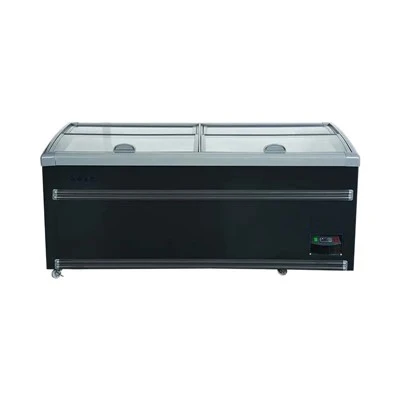
First up, the core design of the refrigerated unit itself. I’ve worked with clients who come to me complaining that two seemingly identical display cases have wildly different energy bills, and nine times out of ten, it boils down to the type of refrigeration system and insulation they’re built with. For example, remote refrigeration vs. self-contained units—remote systems, where the compressor is located outside the sales floor, tend to run more efficiently for larger operations, because they don’t have to dissipate heat right where customers are standing. But self-contained units, which have the compressor built into the case, are more compact for small convenience stores. That said, the quality of the insulation is make-or-break here. Cheap, thin foam insulation will let cold air seep out much faster than high-density, closed-cell polyurethane insulation that’s standard in commercial-grade units I supply. I remember a café owner who swapped their old thin-insulated deli case for one of our premium models and cut their refrigeration energy use by 28% in the first month—that’s not a fluke, that’s insulation doing its job.
Next, the age and condition of the unit. This is a big one I can’t stress enough. Most commercial refrigerated display cases have a 10-15 year lifespan, and after that, their efficiency drops sharply. Older units use outdated refrigerant, like R-22, which has a higher global warming potential and is being phased out in most countries. What’s more, their compressors and evaporator coils get worn down over time, working harder to maintain the right temperature. I recently helped a regional supermarket chain audit their 12-year-old frozen food cases; we found that 30% of those units were using twice as much energy as a new, ENERGY STAR-certified model. It’s not just old age, though—poor maintenance accelerates this. A case with dirty condenser coils, for example, has to work 15-20% harder because the coil can’t release heat properly. I’ve seen store teams skip basic upkeep like cleaning coils or replacing worn door gaskets, and that small neglect adds up to hundreds of dollars a month in extra power costs.
Then there’s the way the case is used on a daily basis. This is probably the most variable factor, because it depends entirely on how the store operates. Let’s start with door openings: reach-in display cases, especially for beverages or deli items, get opened dozens of times an hour during peak shopping hours. Every time the door is open, cold air rushes out, and warm, humid air pours in, forcing the compressor to kick back on to cool the case down again. A study I referenced recently found that frequent door openings can increase a case’s energy use by 30-50% during peak times. That’s why many of our clients are switching to cases with curtain doors or automatic door closures for high-traffic areas—small features that make a huge difference. Then there’s the product load: overstocking a case blocks the airflow, so cold air can’t circulate properly. Operators might cram as much milk or yogurt as possible into the case, but that restricts the evaporator’s ability to cool evenly, leading the unit to run longer than needed. Even the type of product matters—frozen cases that run at -18°C need more energy than fresh produce cases set at 4°C, for obvious temperature differences.
The environment where the display case is placed is another critical, often overlooked factor. Where you install a refrigerated display case can change its power consumption more than you’d think. If a case is tucked next to a heat-generating appliance—like an oven, a dishwasher, or even a lighting system that’s too bright—the surrounding ambient temperature goes up, and the case has to work harder to counteract that heat. I had a client once who put a new bakery display case right next to their pizza oven, and their refrigeration bill spiked 22% in a month. We rearranged the floor plan, moved the bakery case to a cooler, shaded spot, and the bill went back down within two billing cycles. Humidity is another environmental variable. High humidity, especially in places like coastal regions or areas with hot summers, leads to more condensation on the case’s interior. That condensation has to be cooled, which adds to the load on the refrigeration system. Some newer cases have dehumidification controls, but they draw extra power if not calibrated correctly. Also, placement near direct sunlight—even a small amount of sunlight hitting the case’s glass front—can raise the internal temperature by 2-3°C, forcing the compressor to run longer.
Glass and lighting features round out the design and usage factors, and they’re often the first things customers notice, but their energy impact is significant. Let’s talk about the glass first: single-pane glass is a big energy drain, because it doesn’t insulate well. Double-pane, low-e (low-emissivity) glass is designed to reduce heat transfer, keeping cold air in and warm air out. For cases with glass fronts that run 12+ hours a day, this can cut energy use by 15% or more. Then there’s lighting—display cases need bright lighting to make food look appetizing, but traditional incandescent or even halogen lights give off a lot of heat, which adds to the case’s cooling load. LED lighting, on the other hand, uses 75% less energy and generates almost no extra heat, so the compressor doesn’t have to compensate. I always advise clients to upgrade to LED lighting when replacing their display cases; the energy savings from the lights alone often pay for the upgrade in a year. Some of our premium cases even have motion-activated lighting, which turns off when no one is near the case during off-hours—another small tweak that adds up.
Wait, I should also mention temperature settings and controls, because that’s a day-to-day variable that’s totally in the operator’s hands. A lot of store managers set their cases colder than necessary “just to be safe,” but that’s a waste of energy. The FDA requires most perishables to be stored at 4°C or below, and frozen foods at -18°C or below—setting them 1 or 2 degrees lower than needed might not make a noticeable difference in food safety, but it can increase energy use by 5-10%. Modern cases have digital temperature controls that are more accurate than old analog dials, so managers can set the exact temperature they need without overcooling. Also, defrost cycles: old cases used to defrost on a fixed schedule, even when there was no ice buildup, wasting energy. Newer smart defrost systems only run when the evaporator’s temperature drops enough to form ice, so they avoid unnecessary defrosts. That’s a feature we build into all our mid-range and premium display cases now, and our clients love the lower utility bills that come with it.
Now, as a supplier, I want to be clear that not all factors are in an operator’s control. For example, ambient climate is a big one— a display case in Phoenix, where summer temperatures regularly hit 40°C, will use more energy than the same case in Seattle, where it’s milder most of the year. But many of these factors are manageable with the right equipment and habits. When I work with a new client, I don’t just sell them a display case and walk away—I help them audit their current setup, recommend adjustments to their floor plan, maintenance routines, and even temperature settings to cut their energy use. I’ve had small convenience store owners go from $800 a month in refrigeration utility costs to $550 a month just by swapping out their old inefficient case and adjusting how their team uses it.
Let’s put this all together to make it practical. If you’re a store operator or business owner looking to understand why your refrigerated display cases are using so much power, start by asking these questions: How old is my unit? If it’s over 10 years, it’s time to look at newer, more efficient models. What’s my maintenance routine? Are we cleaning coils, checking door gaskets for leaks, and updating defrost settings? Where is my case placed? Is it next to heat sources or in direct sunlight? What kind of glass and lighting does it have? Upgrading to low-e double-pane glass and LED lights can be a quick win. Even small changes, like training staff to close doors quickly and not overstock cases, can make a big difference.

At the end of the day, refrigerated display cases are essential for keeping food safe and appealing, but their energy use doesn’t have to be a hidden cost. As a supplier, my goal is to help clients find the right balance between performance, food safety, and energy efficiency. If you’re tired of high utility bills, or you’re in the market for new display cases that cut power consumption without sacrificing quality, I’m here to help. We can walk through your specific needs, answer your questions, and work with you to find solutions that fit your budget and your energy goals.
Chest Freezer REFERENCES
US Environmental Protection Agency. (2022). Energy Efficiency for Commercial Refrigeration.
Food and Drug Administration. (2021). Food Code: Refrigerated Product Storage Requirements.
Department of Energy. (2020). Technical Manual: Commercial Refrigeration System Efficiency Factors.
National Restaurant Association. (2023). Energy Management Guide for Foodservice Operations.
Zhejiang Xingbao Electrical Appliances Co., Ltd.
As one of the most professional refrigerated display cases manufacturers and suppliers in China, we also support customized service. Welcome to wholesale bulk high quality refrigerated display cases in stock here from our factory. If you have any enquiry about pricelist, please feel free to email us.
Address: No. 10 Baisha Road, Lianhang Development Zone, Chang’an Town, Haining City, Jiaxing City, Zhejiang Province, China
E-mail: zjxingbao@gmail.com
WebSite: https://www.sunborncn.com/
